Tuesday, July 17, 2007

The truth about lying and laughing


Why are we so bad at spotting a lie, do we smile when no one is looking, and what's the funniest joke ever told? Richard Wiseman took a scientific approach to answering some age-old questions


http://www.guardian.co.uk/weekend/story/0,,2060839,00.html

The truth about lying and laughing


Why are we so bad at spotting a lie, do we smile when no one is looking, and what's the funniest joke ever told? Richard Wiseman took a scientific approach to answering some age-old questions

Saturday April 21, 2007
The Guardian


Over the years, I have tried to unravel the truth about deception - investigating the telltale signs that give away a liar.

There are some pointers to the evolutionary origins of deceit. A few years ago, animal researcher Maxine Morris observed some rather curious behaviour among a group of Asian elephants at Washington Park Zoo. At feeding time, each elephant was given a big bundle of hay. Morris noticed that a couple of the elephants tended to eat their own hay quickly, sidle up to their slower-eating companions, and then start swinging their trunks from side to side in a seemingly aimless way. Morris's repeated observations suggested that this apparently innocent behaviour masked a duplicitous intent. Once the trunk-swinging elephants were sufficiently close to another elephant, they would grab some of the uneaten hay, and quickly gobble it up.


Was this intentional deception? The only way to know for certain would be to discover what was going on inside an elephant's head - something some researchers believe has been achieved, not with elephants but with gorillas. In the 1970s, as part of a large-scale research programme exploring interspecies communication, Dr Francine Patterson from Stanford University attempted to teach two lowland gorillas called Michael and Koko a simplified version of American Sign Language. According to Patterson, the great apes were capable of holding meaningful conversations, and could even reflect upon profound topics, such as love and death.

Their trainers believe they uncovered instances where the two gorillas were economical with the truth. In one example, Koko broke a toy cat, and then signed to indicate that the breakage had been caused by one of her trainers. In another episode, Michael ripped a jacket belonging to a trainer and, when asked who was responsible for the incident, signed "Koko". When the trainer expressed some scepticism, Michael appeared to change his mind, and indicated that Dr Patterson was actually to blame, before finally confessing. If the elephants might be given the benefit of the doubt, the apes' linguistic skills seem to provide compelling evidence of intentional deceit.

Other researchers have explored the development of deception in children. Some of the most interesting experiments have involved asking youngsters not to take a peek at their favourite toys. During these studies, a child is led into a laboratory and asked to face one of the walls. The experimenter then explains that he is going to set up an elaborate toy a few feet behind them. After setting up the toy, the experimenter says that he has to leave the laboratory, and asks the child not to turn around and peek at the toy. The child is secretly filmed by hidden cameras for a few minutes, and then the experimenter returns and asks them whether they peeked. Almost all three-year-olds do, and then half of them lie about it to the experimenter. By the time the children have reached the age of five, all of them peek and all of them lie. The results provide compelling evidence that lying starts to emerge the moment we learn to speak. Perhaps surprisingly, when adults are shown films of their children denying that they peeked at the toy, they are unable to detect whether their offspring are lying or telling the truth.

A few years ago I carried out a national survey into lying, focusing on adults. Only 8% of respondents claimed never to have lied. Other work has invited people to keep a detailed diary of every conversation that they have, and of all of the lies that they tell, over a two-week period. The results suggest that most people tell about two important lies each day, that a third of conversations involve some form of deception, that four in five lies remain undetected, that more than 80% of people have lied to secure a job, and that more than 60% of the population have cheated on their partners at least once.

Are you a good liar? Most people think that they are, but in reality there are big differences in how well we can pull the wool over the eyes of others. There is a very simple test that can help determine your ability to lie. Using the first finger of your dominant hand, draw a capital letter Q on your forehead.

Some people draw the letter Q in such a way that they themselves can read it. That is, they place the tail of the Q on the right-hand side of their forehead. Other people draw the letter in a way that can be read by someone facing them, with the tail of the Q on the left side of their forehead. This quick test provides a rough measure of a concept known as "self-monitoring". High self-monitors tend to draw the letter Q in a way in which it could be seen by someone facing them. Low self-monitors tend to draw the letter Q in a way in which it could be read by themselves.

High self-monitors tend to be concerned with how other people see them. They are happy being the centre of attention, can easily adapt their behaviour to suit the situation in which they find themselves, and are skilled at manipulating the way in which others see them. As a result, they tend to be good at lying. In contrast, low self-monitors come across as being the "same person" in different situations. Their behaviour is guided more by their inner feelings and values, and they are less aware of their impact on those around them. They also tend to lie less in life, and so not be so skilled at deceit.

What are the telltale signs that give away a lie? Is it possible to teach people to become better lie detectors? I devised a large-scale experiment to be conducted live on the BBC science programme Tomorrow's World. Originally I suggested we ask several politicians to lie or tell the truth on the show, and have the public try to identify the lies.

Politicians were unwilling to participate, allegedly because they were terrible liars (none of us believed them). We looked for a prestigious alternative, and invited the television political interviewer Sir Robin Day to be our guinea pig.

The design of the experiment was simple. I would interview Sir Robin twice and in each interview ask him to describe his favourite film. In one interview he would say nothing but the truth, and in the other he would produce a pack of lies. We would then show both interviews on television, and invite the public to telephone in their verdicts.

As he sat down in front of the camera, Day seemed slightly nervous that he was about to receive questions rather than ask them. In the first interview, he plumped for an epic drama:

'So, Sir Robin, what's your favourite film?'

'Gone With The Wind.'

'And why's that?'

'Oh, it's ... it ... it's a classic. Great characters; great film star - Clark Gable; a great actress - Vivien Leigh. Very moving.'

'And who's your favourite character in it?'

'Oh, Gable.'

'And how many times have you seen it?'

'Um ... [pause] I think about half a dozen.'

'And when was the first time that you saw it?'

'When it first came out. I think that it was in 1939.'

Once he had finished, I repeated the questions and he described being a big fan of the Billy Wilder film Some Like It Hot:

'So, Sir Robin, what's your favourite film?'

'Ah ... [pause] er, Some Like It Hot.'

'And why do you like that?'

'Oh, because it gets funnier every time that I see it. There are all sorts of bits in it which I love. And I like them more each time that I see it.'

'Who's your favourite character in it?'

'Oh, Tony Curtis, I think. He's so pretty ... [short pause] and he's so witty, and he mimics Cary Grant so well and he's very funny the way he tries to resist being seduced by Marilyn Monroe.'

'And when was the first time that you saw it?'

'I think when it came out, and I forget when that was.'

Which is the lie?

We received more than 30,000 calls from viewers: 52% thought that Sir Robin had been lying about Gone With The Wind, and 48% voted for Some Like It Hot. We then showed viewers a short clip in which I asked Sir Robin whether he really liked Gone With The Wind. His reply was short and to the point: "Good heavens, no! It's the most crashing bore."

It could be argued that Sir Robin was a skilled liar, and that in everyday life people are much better at detecting deception. Psychologists have been exploring this question for 30 years. The research has studied the lying behaviour of salespeople, shoppers, students, drug addicts and criminals. Some of my own work in this area has involved showing people video tapes of instances in which people have made high-profile public appeals for information about a murder, only later to confess and be convicted of the crime themselves.

The results have been remarkably consistent - when it comes to lie detection, the public might as well simply toss a coin. It doesn't matter if you are male or female, young or old; very few people are able reliably to detect deception. The results suggest that we can't even tell when our partners are being economical with the truth.

We're in good company. Psychologist Paul Ekman from the University of California, San Francisco, showed video tapes of liars and truth-tellers to various groups of experts, including polygraph operators, robbery investigators, judges and psychiatrists, and asked them to try to identify the lies. All tried their best. None of the groups performed better than chance.

So why are people so bad at detecting deceit? The work of psychologists such as Professor Charles Bond from the Texas Christian University provides a clue. He has conducted surveys into the sorts of behaviour people associate with lying. He surveyed thousands of people from more than 60 countries, asking them to describe how they set about telling whether someone is lying. People's answers are remarkably consistent. From Algeria to Argentina, Germany to Ghana, Pakistan to Paraguay, almost everyone thinks liars tend to avert their gaze, nervously wave their hands around and shift about in their seats.

There is, however, one small problem. Researchers have spent hour upon hour carefully comparing films of liars and truth-tellers. On each showing, the observers look out for a particular behaviour, such as a smile, blink or hand movement.

The results are clear. Liars are just as likely as truth-tellers to look you in the eye, they don't move their hands around nervously and they don't shift about in their seats (if anything, they are a little more static than truth-tellers). People fail to detect lies because they are basing their opinions on behaviours that are not actually associated with deception.

So what are the signals that really give away a liar? It is obvious that the more information you give away, the greater the chances of some of it coming back to haunt you. As a result, liars tend to say less and provide fewer details than truth-tellers. Look back at the transcripts of the interviews with Sir Robin. His lie about Gone With The Wind contains about 40 words, whereas the truth about Some Like It Hot is nearly twice as long.

Liars often try psychologically to distance themselves from their falsehoods, and so tend to include fewer references to themselves in their stories. Again, Sir Robin's testimony provides a striking illustration of the effect. When he lies, Sir Robin uses the word "I" just twice, whereas when he tells the truth his account contains seven "I"s. In his entire interview about Gone With The Wind, Sir Robin only once mentions how the film makes him feel ("very moving"), compared with the several references to his feelings when he talks about Some Like It Hot ("it gets funnier every time I see it", "all sorts of bits I love", "[Curtis is] so pretty ... so witty").

The simple fact is that the real clues to deceit are in the words that people use, not the body language. So do people become better lie detectors when they listen to a liar, or even just read a transcript of their comments? The interviews with Sir Robin were also broadcast on radio and published in a newspaper, and although the lie-detecting abilities of the television viewers were no better than chance, the newspaper readers were correct 64% of the time, and the radio listeners scored an impressive 73% accuracy rate.

Are there no signs of deception that can be detected in people's body language and facial expressions? Not necessarily. Take one of the most common, and frequently faked, forms of non-verbal behaviour - the human smile.

We all smile, but few of us have any insight into the complex psychology underlying this seemingly simple behaviour. Do you smile because you are happy, or to let other people know that you are happy? To help settle the issue, Professors Robert Kraut and Robert Johnston from Cornell University decided to compare the amount people smiled when they were happy but alone, with when they were equally happy but with others. They hit upon an ideal place to conduct their study - a bowling alley. They realised that when bowlers rolled their ball down the lane and obtained a good score, they tended to be alone and happy. When they turned and faced their fellow bowlers, however, they would be just as happy but now interacting with others.

Kraut and his colleagues secretly observed more than 2,000 bowls. Each time, the researchers carefully documented the bowlers' facial expressions and their score.

Their findings revealed that only 4% of the bowlers smiled when they obtained a good score but were facing away from their colleagues; however, when the bowlers turned around and looked at their friends, 42% of them had a huge smile on their faces. Strong evidence that we don't smile simply because we are happy, but rather to let others know that we are happy.

Is a fake smile detectable or is it identical to a genuine smile?

At a science festival in New Zealand, I suggested to the organisers a study that would help unmask the fake smile. The idea was simple. Visitors would be shown several pairs of photographs. Each pair would contain two images of the same person smiling. One of the smiles would be genuine and the other fake, and the public would be asked to spot the genuine grins. Participants were given a questionnaire to fill in. The results revealed that many people couldn't tell the fake from the genuine smiles, and even those that thought they were especially sensitive to the emotions of others scored little better than chance.

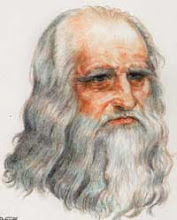
In fact, there is a way of distinguishing fake from genuine. As early as the mid-19th century, a French scientist named Guillaume Duchenne de Boulogne set out to develop a system for investigating which muscles are involved in different facial expressions. He decided to photograph living subjects as electricity was applied directly to their faces. After much searching, he found a participant who was willing to put up with the constant, rather painful, stimulation of his face. In his 1862 book The Mechanism Of Human Facial Expression, Duchenne presents a less than flattering description of his guinea pig:

"The individual I chose as my principal subject for the experiments ... was an old toothless man, with a thin face, whose features, without being absolutely ugly, approached ordinary triviality, and whose facial expression was in perfect agreement with his inoffensive character and his restricted intelligence."

In addition, the man had another desirable attribute - almost total facial anaesthesia. This meant that Duchenne could "... stimulate his individual muscles with as much precision and accuracy as if I were working with a still irritable cadaver".

After taking hundreds of photographs, Duchenne uncovered the secret of the fake smile. When electricity was applied to the cheeks of the face, the large muscles on either side of the mouth - known as the zygomatic major - pulled the corners of the lip upwards to create a grin. Duchenne then compared this smile with the one produced when he told his thin-faced participant a joke. The genuine smiles involved not only the zygomatic major, but also the orbicularis oculi muscles that run right around each eye. In a genuine smile these muscles tighten, pulling the eyebrows down and the cheeks up, producing tiny crinkles around the corners of the eyes. Duchenne discovered that the tightening of the eye muscles lay outside of voluntary control, and was "only put into play by the sweet emotions of the soul".

In the 1970s, Monty Python's Flying Circus created a sketch based entirely around the idea of finding the world's funniest joke. Set in the 1940s, a man named Ernest Scribbler thinks of the joke, writes it down, and promptly dies laughing. The joke turns out to be so funny that it kills anyone who reads it and is turned into a weapon of war.

In 2001 I started to think about the possibility of really searching for the world's funniest joke. I knew that there would be a firm scientific underpinning for the project, because some of the world's greatest thinkers, including Freud, Plato and Aristotle, had written extensively about humour.

I got the green light from the British Association for the Advancement of Science (BAAS) for my plan for an international internet-based project called "LaughLab". I would set up a website that had two sections. In one part, people could input their favourite joke. In the second section, people could answer a few simple questions about themselves (such as their sex, age and nationality), and then rate how funny they found various jokes randomly selected from the archive. During the course of the year, we would be able to discover scientifically what makes different groups of people laugh, and which joke made the whole world smile.

The success of the project hinged on being able to persuade thousands of people worldwide to participate. To help spread the word, we launched LaughLab with an eye-catching photograph based on perhaps the most famous (and, as we would go on to prove scientifically, least funny) joke in the world: "Why did the chicken cross the road? To get to the other side."

Within a few hours of opening the website, we received more than 500 jokes and 10,000 ratings. Then we hit a major problem. Many of the jokes were rude; absolutely filthy, in fact. Other jokes cropped up again and again ("What is brown and sticky?" "A stick" was submitted more than 300 times).

Participants were asked to rate each joke on a five-point scale ranging from "not very funny" to "very funny". Initially most of the material was pretty poor, and so tended to obtain low percentages. Around 25-35% of participants found the following jokes funny, and at that point they came towards the top of the list:

Did you hear about the man who was proud when he completed a jigsaw within 30 minutes, because it said 'five to six years' on the box?

Texan: Where are you from?

Harvard graduate: I come from a place where we do not end our sentences with prepositions.

Texan: OK - where are you from, jackass?

The top jokes had one thing in common - they create a sense of superiority in the reader. The feeling arises because the person in the joke appears stupid (like the man with the jigsaw), or pricks the pomposity of another (like the Texan answering the Harvard graduate).

We were not the first to notice that people laugh when they feel superior. The theory was described by Plato in The Republic. Plato was not a fan of laughter. He thought it was wrong to laugh at the misfortune of others, and that hearty laughter involved a loss of control that resulted in people appearing to be less than fully human. In the middle ages, dwarves and hunchbacks caused much merriment. In Victorian times, people laughed at the mentally ill in psychiatric institutions.

Very early in LaughLab, we could see the superiority theory appearing in the age-old battle of the sexes. This joke was rated as being funny by 25% of women, but just 10% of men:

A husband stepped on to one of those penny scales that tell you your fortune and weight, and dropped in a coin.

'Listen to this,' he said to his wife, showing her a small white card. 'It says I'm energetic, bright, resourceful and a great person.'

'Yeah,' his wife nodded, 'and it has your weight wrong, too.'

One obvious possibility for the difference in ratings between the sexes is that the butt of the joke is a man, and so appeals more to women. Or it could be that women generally find jokes funnier than men. A year-long study of 1,200 examples of laughing in everyday conversation revealed that 71% of women laugh when a man tells a joke, but only 39% of men laugh when a woman tells a joke. To help try to tease apart these competing interpretations, we studied the LaughLab archive to find jokes that put down women, such as:

A man driving on a highway is pulled over by a police officer. The officer asks: 'Did you know your wife and children fell out of your car a mile back?' A smile creeps on to the man's face and he exclaims: 'Thank God! I thought I was going deaf!'

On average, 15% of women rated as funny jokes putting down women, compared with 50% of men.

Research suggests that men tell a lot more jokes than women. People with high social status tend to tell more jokes than those lower down the pecking order. Traditionally, women have had a lower social status than men, and thus may have learned to laugh at jokes, rather than tell them. Interestingly, the only exception to this status/joke-telling relationship concerns self-disparaging humour, with people who have low social status telling more self-disparaging jokes than those with high status. Researchers examining self-disparaging humour produced by male and female professional comedians found that 12% of male scripts contained self-disparaging humour, compared with 63% of female scripts.

Quite quickly we downloaded 10,000 jokes, and the ratings from 100,000 people. The top joke at that early stage had been rated as funny by 46% of participants. It involved the famous fictional detective Sherlock Holmes and his long-suffering sidekick Dr Watson:

Sherlock Holmes and Dr Watson were going camping. They pitched their tent under the stars and went to sleep. Sometime in the middle of the night Holmes woke Watson up and said: 'Watson, look up at the stars, and tell me what you see.'

Watson replied: 'I see millions and millions of stars.'

Holmes said: 'And what do you deduce from that?'

Watson replied: 'Well, if there are millions of stars, and if even a few of those have planets, it's quite likely there are some planets like earth out there. And if there are a few planets like earth out there, there might also be life.'

And Holmes said: 'Watson, you idiot, it means that somebody stole our tent.'

It is a classic example of two-tiered superiority theory. We laugh at Watson for missing the absence of the tent, and also at the pompous way in which Holmes delivered the news to Watson.

According to Freud, jokes act as a kind of psychological release valve that helps prevent the pressure of repression from becoming too great. Many of the jokes submitted to LaughLab supported Freud's ideas. Time and again, we would get jokes about the stresses and strains of loveless marriage, inadequate sexual performance and, of course, death:

I've been in love with the same woman for 40 years. If my wife finds out, she'll kill me.

A patient says to his psychiatrist: 'Last night I made a Freudian slip. I was having dinner with my mother-in-law and wanted to say: "Could you please pass the butter." But instead I said: "You silly cow, you've completely ruined my life."'

We also examined another source of humour - computers. LaughLab attracted lots of jokes about this topic ("The software said it needed Windows 98 or better, so I bought a Mac."). However, it also contained a few jokes actually written by a computer.

We were keen to discover whether computers were funnier than humans, and so entered into LaughLab several of the computer-composed jokes. The majority of them received some of the lowest ratings in the archive. One example of computer comedy, however, was surprisingly successful, and beat about 250 human jokes:

What kind of murderer has fibre? A cereal killer.

The results from another mini-experiment we conducted during LaughLab supported the widely held theory that some words and sounds are funnier than others, notably the mysterious comedy potential of the letter "K". Early on in the experiment, we received the following submission:

There were two cows in a field. One said: 'Moo.' The other one said: 'I was going to say that!'

We decided to use the joke to test the words/sounds theory. We re-entered the joke into the archive several times, using a different animal and noise: two tigers going "Gruurrr", two birds going "Cheep", two mice going "Eeek", two dogs going "Woof" and so on. At the end of the study, we examined what effect the different animals had on how funny people found the joke. In third place came the original cow joke, second were two cats going "Meow", but the winning animal-noise joke was:

Two ducks were sitting in a pond. One of the ducks said: 'Quack.' The other duck said: 'I was going to say that!'

By the end of the project we had received 40,000 jokes, and had them rated by more than 350,000 people from 70 countries. We identified our top joke. It had been rated as funny by 55% of the people who had taken part in the experiment:

Two hunters are out in the woods when one of them collapses. He doesn't seem to be breathing and his eyes are glazed. The other guy whips out his phone and calls the emergency services.

He gasps, 'My friend is dead! What can I do?'

The operator says, 'Calm down. I can help. First, let's make sure he's dead.'

There is silence, then a shot is heard. Back on the phone, the guy says, 'OK, now what?'

The year-long search for the world's funniest joke concluded. Did we really manage to find it? In fact, I don't believe such a thing exists. If our research into humour tells us anything, it is that people find different things funny. Women laugh at jokes in which men look stupid. The elderly laugh at jokes involving memory loss and hearing difficulties. Those who are powerless laugh at those in power. There is no one joke that will make everyone guffaw. Perhaps we uncovered the world's blandest joke - the gag that makes everyone smile but very few laugh out loud.

Five years after the study, I received a telephone call from a friend. He explained that he had just seen a television documentary film about Spike Milligan, comedian and co-founder of the Goons, and that the programme contained a very early version of our winning joke. The documentary contained a brief clip from a 1951 BBC programme called London Entertains with the following early Goon sketch:

Michael Bentine: I just came in and found him lying on the carpet there.

Peter Sellers: Oh, is he dead?

Michael Bentine: I think so.

Peter Sellers: Hadn't you better make sure?

Michael Bentine: All right. Just a minute.

(Sound of two gunshots.)

Michael Bentine: He's dead.

Spike Milligan died in 2002, but with the help of the documentary-makers, I contacted his daughter Sile, and she confirmed that it was highly likely that her father would have written the material. We announced that we believed we had identified the author of the world's funniest joke.

I am often asked what was my favourite joke from the thousands that flooded in through the year. I always give the same reply:

A dog goes into a telegraph office, takes a blank form and writes: 'Woof, Woof, Woof, Woof, Woof, Woof, Woof, Woof, Woof.'

The clerk examines the paper and politely tells the dog: 'There are only nine words here. You could send another "Woof" for the same price.'

The dog looks confused and replies, 'But that would make no sense at all.'

© Richard Wiseman, 2007.

· This is an edited extract from Quirkology, by Richard Wiseman, to be published next month by Macmillan at £14.99. To order a copy for £13.99, with free UK mainland p&p, call 0870 836 0875 or go to guardian.co.uk/bookshop.


Monday, July 16, 2007

Secrets of the dead


More than 200,000 people died or vanished in Guatemala's civil war and thousands are still executed by police and vigilantes every year. Now secret state files detailing the atrocities are to be made public - despite death threats from the security forces. Billy Briggs reports


http://www.guardian.co.uk/g2/story/0,,2004196,00.html


Friday February 2, 2007
The Guardian

Wendy Mendez was nine years old when she last saw her mother Luz alive. It was March 8 1984. The two of them were in police custody in Guatemala City, and Wendy was being tortured. "They put my head in a bucket of water and gave me electric shocks. I remember one of the policemen laughing and saying to my mother, 'Look what we are doing to your baby.'"

That time - the late 70s and early 80s - was the most violent period of a civil war that went on for more than three decades in Guatemala between leftist guerrillas and rightwing, military-backed governments. It is a war that in many ways is still going on, despite the formal peace signed in 1996; extrajudicial executions continue, and no one has been brought to book for the atrocities that according to the country's official postwar truth commission left more than 200,000 dead or "disappeared". This lack of accountability has meant that hundreds of thousands of people like Wendy have never been able to find out what happened to their relatives and friends. But that is about to change.


In Guatemala City today murder is commonplace and a sense of lawlessness exists, more than 10 years on from the cessation of war - so much so that after visiting the country last year the United Nations' special rapporteur on extrajudicial, summary and arbitrary executions, Philip Alston, declared,"There are now more killings per day than there were during the dark days of the civil conflict. The killing of women, the execution of selected individuals by elements within the police and military, gang and crime-related killings, 'social cleansing' [by vigilante groups], and other acts of random violence have created a widespread sense of insecurity. Official estimates of 5,000 or more extrajudicial executions per year certainly understate the real death toll."

Despite the barbarity of the war - particularly during the early 1980s, when Guatemala's Mayans were killed in their tens of thousands by the government forces of General José Efraín Ríos Montt and allied paramilitaries - a culture of impunity has remained almost impenetrable. Now this barrier is going to be broken open: the country's human rights officials have set a date for publishing the first batch of documents from a secret police archive whose existence was for years denied by the security forces.

The files, which run to millions of pages, include classified information relating not only to the disappeared, but to spies, informers, government officials and clandestine death squads. The material belonged to the National Police, second only to the army as the core of the security forces during the war, an entity so inextricably linked with violence that the December 1996 peace accord ending the fighting specified that it be disbanded. Human rights investigators say the importance of these files, whose release is planned for July 5, cannot be overstated for a nation still struggling to overcome the legacy of internal conflict.

Mendez is now hoping that the files will reveal what happened to her mother, and will start a wide process of justice. Their publication "could finally put some people in prison and give us closure", she says. "My mother had a life. The people that did this are still free on the streets".

Meanwhile, a judge of Spain's national court, Santiago Pedraz, has filed arrest warrants with Interpol against Ríos Montt, head of state from 1982 to 1983, and seven other Guatemalan figures prominent at that time. Genocide and torture are among the charges. The accused include former presidents Oscar Humberto Mejía Victores and Romeo Lucas García; retired generals Benedicto Lucas García and Angel Aníbal Guevara Rodriguez; a former minister of the interior, Donaldo Alvarez Ruiz; and ex-police chiefs German Chupina Barahona and Pedro García Arredondo were also named.

Mejía Victores and Chupina Barahona are in jail on other charges in Guatemala, and Lucas García died in Venezuela in May last year. The former interior minister, Alvarez Ruiz, is believed to be living in exile in one of the neighbouring states. But García Arredondo and Lucas García still live in Guatemala, according to human rights workers. As for the ex-dictator, Ríos Montt, he recently confirmed that he plans to run for congress this September. If elected he could be immune to prosecution for war crimes.

The archive sits in a former police base and munitions depot in Guatemala City, ringed by razor wire and under 24-hour armed guard. We were allowed access on condition we did not identify any of the 100 investigators working here. There are an estimated 75m documents and the oldest found so far dates back to 1880. Every page must be cleaned, read, classified and scanned on to computer - a task that could take 25 years.

It was investigators for the office of Guatemala's procurator for human rights (Procuraduría de Derechos Humanos) who accidentally stumbled on the files in 2005 while searching for a munitions cache. It took months to get a court order allowing an investigation and ensuring protection of the documents, and more months to recruit and train a team of investigators. Gustavo Meono, in overall charge of the procurator's inquiry, says there is psychological pressure on these workers, who know their lives may be at risk due to the political sensitivity of the work. He has received numerous death threats; there are some extremely "unhappy people" in the higher echelons of government and the army and he says, "People still go missing in Guatemala." Human rights workers also worry about whether the project will go on after Sergio Morales Alvarado, head of the procurator's office, leaves his post this September. "This could all be scrapped," Meono says.

Touring the corridors of the two-storey building we see hundreds upon hundreds of sacks of documents piled in musty rooms, and dozens of small rooms where investigators wearing white protective masks sit painstakingly working through dusty bundles of papers, prioritising the information before computerising it. In one room a poster shows a lone shadow in a desert and reads: "The Missing - and the Silence. The Right to Know."

Some of the finds so far have included confidential messages from the police to senior Guatemalan leaders. Hundreds of rolls of still photographs are being developed. Some show pictures of bodies and of detainees. Meono refuses to be drawn on the legal implications of the information, but he will say that investigators have given priority to the early 1980s when most of the killings took place. It seems a safe bet that this will be the focus of the first batch of documents released.

Later we meet the director of the Guatemalan Forensic Foundation, Freddy Peccerelli, in offices also protected by armed guards. A veteran of forensics work after the Bosnian war, he has the job of finding and exhuming bodies from the hundreds of mass graves hidden across Guatemala. "They say 40,000 to 45,000 people disappeared during the war, but I believe the figure is much more," he says.

According to the official truth commission, the "Commission for Historical Clarification" - set up, with United Nations support, in an agreement between the government and rebels of the Guatemalan Revolutionary National Unity - there were more than 620 massacres during the war. Government forces and paramilitaries were responsible for more than 90% of the atrocities, according to the commission's 1999 report. An unofficial human rights commission run by the Roman Catholic church came up with similar findings. After 12 years of work Peccerelli's team at the Forensic Foundation - a non-government organisation funded partly by UN donors and partly by foreign charities - has recovered the remains of about 5,000 people. He says it will take a lifetime to find "one-quarter of the known dead", but believes that the archive will prove crucial in identifying victims. "At the age of 18 everyone in Guatemala is issued with an ID card with their fingerprints. We know the archive has thousands of personal identification files so we hope to be able to match bodies to cards."

Peccerrelli, too, says threats have been made on his life, and letters have been sent to members of his family, including his brother, who was also threatened with a gun. "I got a note saying 'We will kidnap your sister - we will cut her up and rape her'. People tipping us off about mass graves have ended up dead. It got so bad that I took a year out and moved to Bournemouth in England with my wife and two daughters." The main figure behind the Catholic truth commission, Bishop Juan Gerardi, was murdered two days after publishing his group's report in 1998.

In the Forensic Foundation building, there are currently the remains of 850 people. On one table a skeleton is laid out. "This was a man 35 to 40 years old found in a mass grave at Pavit, in southern Guatemala. He suffered five traumas to the back of his neck - I think he was killed with a knife," the forensic examiner says, on condition of anonymity.

Memories are still painful for Mendez, whose crime was to be a child of parents who supported the rebels. Her mother worked at San Carlos State University and produced anti-government leaflets. Despite repeated requests, Mendez has never been given any information by the state about her, but in 1998 a military diary stolen by a soldier was made public in the US. It contained 182 names and included a photograph of Luz. "The diary says that on May 2 1984, my mother was transferred to U4," says Mendez. " We haven't been able to decode U4 yet but it tells us my mother was kept alive for two months. The archive might tell us more. Just to know what happened to her would be enough . . . and maybe we could even find my mother's body." The diary also contained information on another relative, Farfun Ruben. The code beside his name was 300 - which means he was executed.


Al preguntarle (a Saramago) qué podría sugerir a los colombianos, aclaró: "Tenéis que parir vuestros muertos, sacarlos de esta tierra, parirlos de vuestra conciencia. Parirlos no será fácil, pero cargarlos será seguir en la pesadilla que lleva dos generaciones y ha causado 30 mil desaparecidos y más de 3 mil secuestrados. Es algo monstruoso, que se ha vuelto cotidiano, donde se pierde la medida de la realidad.


http://www.jornada.unam.mx/2007/07/15/index.php?section=cultura&article=a03n1cul

No será nada fácil, pero cargarlos será mantener la zozobra y el desasosiego, asegura

Colombia debe parir sus muertos para aliviar su pesadilla: Saramago

Charla erudita del Nobel y Laura Restrepo sobre la dignidad y el futuro de la humanidad

Reitera el portugués su falta de esperanza en el porvenir; "el mundo anda pésimo", advierte

MARGARITA SUAREZ ESPECIAL PARA LA JORNADA


Santafé de Bogotá, 14 de julio. "La literatura y el poder no se celebran en la misma fiesta", afirmó la escritora colombiana Laura Restrepo, al dar paso al foro El libro como instrumento de paz: diálogo con José Saramago, premio Nobel de Literatura 1998, esta semana en Bogotá, Capital Mundial del Libro 2007.

Saramago abrió aquí su gira para presentar el libro de remembranzas sobre su niñez Las pequeñas memorias, y celebrar el anuncio público -fuera de Portugal- del lanzamiento de la Fundación José Saramago, establecida el 26 de junio pasado y dedicada a promover los derechos humanos, con atención especial a problemas del medio ambiente y el empobrecimiento de la tierra.

La reunión forma parte de las Mesas Literarias organizadas por la alcaldía de Bogotá, dentro de su programa Elogio de la Lectura, y fue auspiciada por la editorial Alfaguara. Esta es la tercera visita del portugués a Colombia.

Luego de guardar un minuto de silencio por los millares de muertos y víctimas de la violencia en Colombia, en cuya memoria se entregaron claveles a los asistentes, Restrepo -premio Alfaguara 2004 e integrante de la Comisión de Paz que impulsó la desmovilización de la guerrilla M-19 en los años 80- entabló un diálogo sencillo y claro sobre la vida y obra de Saramago.

Durante casi dos horas, las dos figuras de la literatura contemporánea y amigos mutuos condujeron a un atento público de casi 5 mil personas mediante juegos de palabras, en portuñol y español, y lecturas puntuales a propósito de aquellos momentos de la vida del autor reflejados en el libro, además de otros temas, como los personajes humildes y valores humanísticos comunes y constantes en la obra de ambos.

Cerraron la noche en medio de un afectuoso, erudito y nunca resuelto debate sobre la dignidad y el futuro de la humanidad. Ella, insistiendo en rescatar las posibilidades de la literatura y el valor y poder trascendental de la dignidad, elemento fundamental en la obra del maestro; él, terco y pesimista, sin visión clara del futuro, presagiando posibles horrores: "el mundo anda pésimo".

Pesimismo del Nobel

Saramago había expresado este pesimismo ante la prensa nacional y extranjera, en sus opiniones acerca del estado actual del mundo, de la inexistencia de la real democracia a escala global y, en particular, de su desesperanza aparente ante la situación colombiana.

Al preguntarle qué podría sugerir a los colombianos, aclaró: "Tenéis que parir vuestros muertos, sacarlos de esta tierra, parirlos de vuestra conciencia. Parirlos no será fácil, pero cargarlos será seguir en la pesadilla que lleva dos generaciones y ha causado 30 mil desaparecidos y más de 3 mil secuestrados. Es algo monstruoso, que se ha vuelto cotidiano, donde se pierde la medida de la realidad.

"La solución no es militar, es una situación empantanada; hay que ir más allá del acuerdo humanitario. Es fácil decir diálogo, pero, ¿cómo se llega a él? Parecieran no estar dispuestos. Los políticos que hagan (su labor), pero lo importante es que la sociedad civil asuma su papel como parte, que los ciudadanos tomen parte activa; dejen de ser espectadores e intervengan."

Enfatizó que la Declaración Universal de los Derechos Hu-manos, que incluye lo social y económico, "tiene que ser la brújula". Si no, no puede haber democracia: "digan la verdad, pierdan la paciencia".

Concede que la tarea no será sencilla luego de 50 años de conflictos fratricidas, donde muchos no saben vivir sino para y por la violencia. Pero como él mismo dijo al anunciar los propósitos de la fundación: "No os pido mucho, pido a vosotros todo".


En complicidad con el actual director de Pemex Gas y Petroquímica Básica, los gaseros Miguel y Jesús Zaragoza se preparan para expandir su monopolio y sustituir a Pemex en el almacenamiento y distribución del energético en zonas estratégicas de distribución.


Pemex protege al Grupo Zeta
por Ana Lilia Pérez


http://www.voltairenet.org/article146722.html


(Por: Ana Lilia Pérez) En complicidad con el actual director de Pemex Gas y Petroquímica Básica, los gaseros Miguel y Jesús Zaragoza se preparan para expandir su monopolio y sustituir a Pemex en el almacenamiento y distribución del energético en zonas estratégicas de distribución.

Pese a la negra historia de corrupción en Pemex -tráfico de influencias y sobornos millonarios a funcionarios-, los gaseros Miguel Zaragoza Fuentes y su hijo Jesús Zaragoza López fueron recibidos con los brazos abiertos por Roberto Ramírez Soberón, director general de Pemex Gas y Petroquímica Básica.

Con la ratificación de Roberto Ramírez Soberón como director de Pemex Gas y Petroquímica Básica por parte del director general de Pemex, Jesús Reyes Heroles, se garantiza que los negocios de los Zaragoza fructifiquen aun cuando se oponen a los intereses de la paraestatal.

Ramírez Soberón fue denunciado ante la Secretaría de la Función Pública como presunto integrante de una red de tráfico de influencias que opera en Pemex a favor del consorcio gasero de Chihuahua Grupo Zeta, el cual mantiene el monopolio en la distribución del 72 por ciento de gas licuado de petróleo (LP) en todo el país.

Pero las denuncias se mantuvieron empantanadas en las secretarías de la Contraloría, primero, y en la de Función Pública, después, por los vínculos que los gaseros mantenían con los ex-secretarios Francisco Barrio Terrazas y Eduardo Romero Ramos, ambos oriundos de Chihuahua y paisanos de Miguel Zaragoza Fuentes y Jesús Zaragoza López.

Con la complicidad de Ramírez Soberón, estos empresarios quienes desde hace más de dos décadas mantienen el monopolio de la distribución de gas en casi todo el país, apuestan a expandir sus negocios sacando del mercado no sólo a los competidores menores, sino incluso a Pemex, pues buscan tener el control de ductos y almacenes de distribución de gas de la paraestatal.

Los malos manejos de funcionarios de Pemex para favorecer a los Zaragoza fueron también denunciados ante el titular de la SFP, Germán Martínez Cázares, y pese a que éste se comprometió a fincar responsabilidades, hasta ahora sólo los ha solapado y esto ha permitido que la corrupción en Pemex continúe.

En complicidad con Ramírez Soberón, la familia Zaragoza (Miguel y Jesús) negocia para monopolizar la distribución de gas en las regiones occidente y centro del país, con su terminal marítima, única en su tipo en México, y que desde 2006 opera en instalaciones de la Secretaría de Comunicaciones y Transportes (SCT) en el Puerto de Manzanillo.

Para los Zaragoza será un negocio redondo porque, como reveló Contralínea en diciembre pasado, el permiso para operar esta terminal fue otorgado por la administración foxista como pago de favores a quienes se convirtieron en los principales aportadores de dinero y operadores de Amigos de Fox en Chihuahua.

En tiempo récord de seis días, mediante su empresa Zeta Gas del Pacífico, los Zaragoza obtuvieron de la Secretaría de Energía el permiso para operar la terminal de gas en Manzanillo, autorización que fue tramitada por el entonces director de Gas LP en la Secretaría de Energía (Sener), Eduardo Piccolo Calvera.

La operación de esta terminal significa para los gaseros un negocio redondo, pues mientras la Sener autorizó un incremento al precio del gas al consumidor, los Zaragoza lograron abaratar sus costos a costa de Pemex, toda vez que el gas que se opera en la terminal de Manzanillo lo obtienen más barato, porque lo extraen de la producción de petróleo del Golfo de México.

La complicidad entre Ramírez Soberón y Grupo Zeta llegó a tal nivel que, junto con el ex titular de Pemex Gas, Marcos Ramírez Silva, operaron para que Pemex se comprometiera con los Zaragoza a comprarles la importación de 230 mil toneladas anuales de gas LP, mediante un contrato por dos años, y que a la familia de gaseros les reporta ganancias de unos 200 millones de dólares.

De acuerdo con fuentes internas de Pemex el convenio se diseñó, operó y autorizó en menos de un mes por Eduardo Piccolo Calvera, el cual fue destituido una vez firmado dicho convenio, sin que fuera sometido a licitación pública. El convenio establece que no se autorizarán operaciones de importación a otras compañías gaseras, como al Grupo de Raúl Nieto, Oscar Uribe, Mabarak y Eduardo Ramírez, ya que son competidores del Grupo Zeta y durante más de cinco años han sido rechazados en Pemex Gas y Petroquímica Básica y no les han autorizado ningún contrato de importación.

En una denuncia enviada a la SFP se impugnó la decisión de Pemex de autorizar un contrato en términos casi exclusivos de importación de gas LP al Grupo Zeta y rechazar las solicitudes de otras gaseras que también pidieron que la paraestatal les autorizara la importación del energético.

Por medio de Ramírez Soberón, los Zaragoza gestionan que Pemex Gas y Petroquímica Básica cierren el ducto de Zapopan, argumentando “razones de seguridad” (como lo hicieron para cerrar el ducto de San Juan Ixhuatepec), para que, posteriormente, el consorcio abastezca del energético a la región occidente del país, lo que provocaría un grave impacto, tanto al patrimonio de la paraestatal como al bolsillo de los consumidores pues, de acuerdo con investigaciones, el costo más alto que pagan consumidores es por concepto de distribución.

Sin embargo, las autoridades de la paraestatal pasan por alto que Grupo Zeta mantiene plantas que no cumplen con la norma de seguridad 001 de la Secretaría de Energía, la cual se publicó en el Diario Oficial el 12 de septiembre de 1997, y que claramente prohíbe que se instalen almacenes de combustible de gas LP (plantas) en un perímetro de 100 metros cuadrados en donde haya casas habitación, escuelas, hospitales, iglesias, salas de espectáculos.

A pesar de esa regulación, el Grupo Zeta tiene un total de 10 plantas de gas LP en los estados de Baja California, Estado de México, Sonora, Jalisco y Guanajuato en donde claramente se infringe la norma 001 de la Sener, y la dirección de Roberto Ramírez Soberón desde el sexenio pasado y hasta la fecha no ha ordenado sean clausuradas o en su defecto reubicadas, y las cuales constituyen un gran peligro en su operación diaria para todos los vecinos de esas zonas.

Las empresas del consorcio Grupo Zeta que operan dichas plantas son Compañía Gas de Tijuana, Gas del Valle de Tollocan, Gas Licuado, Distribuidora de Gas del Bajío y Gas Guadalajara.

La protección que secretarios de Estado durante el sexenio de Fox dieron a ese consorcio gasero a cambio de su apoyo a la asociación Amigos de Fox, seguirá por los nexos que los Zaragoza lograron con funcionarios del sector energético, ahora ratificados en Pemex como Roberto Ramírez Soberón.

También es el caso de Dionisio Pérez Jácome, quien a su paso por la Comisión Reguladora de Energía autorizó a Grupo Zeta la operación de la terminal marítima de gas y mantuvo empantanadas las denuncias contra la empresa por robo de combustible y prácticas monopólicas.

Las denuncias contra los Zaragoza por corrupción no avanzaron en la CRE, en la Sener ni en la Profeco, menos en la SFP, debido al tráfico de influencias de los gaseros con funcionarios gubernamentales durante el sexenio pasado.

La mayoría de los contralores en Pemex, quienes recibieron las denuncias sobre el grupo gasero, son ex funcionarios que trabajaron con Francisco Barrio cuando éste era gobernador de Chihuahua.

Desde sus tiempos de gobernador, Barrio Terrazas protegió abiertamente a otro de los integrantes de la familia: Pedro Zaragoza Fuentes, cabeza del Grupo Agroindustrial Zaragoza, investigado por la PGR durante el gobierno de Carlos Salinas por presuntos vínculos con el narcotraficante y fundador del cártel de Juárez, Rafael Aguilar Guajardo, concuño de Pedro Zaragoza. La indagatoria se archivó cuando el entonces gobernador de Chihuahua intercedió por el empresario.

Las denuncias enviadas a la SFP señalan irregularidades en concesiones, tráfico de influencias y millonarios sobornos a funcionarios de Pemex, entre ellos Marcos Ramírez Silva, Roberto Ramírez Soberón, quien fue ratificado en Pemex Gas por el actual Director General.

Las denuncias involucran a Alberto Cervantes, gerente de operaciones de Pemex Gas y a Néstor García Reza, abogado general de la paraestatal. Este último, fungía como gerente jurídico de Ramírez Corzo en PEP, y fue designado el responsable de tejer el blindaje jurídico de la red de corrupción, y los contratos a empresas que gestionaban familiares de Marta Sahagún.

El Grupo Zeta, fundado por Miguel Zaragoza Fuentes -dirigido actualmente por su hijo Jesús Zaragoza López- controla el 72 por ciento de almacenamiento y distribución de gas LP en México; posee plantas en Guatemala, Belice, El Salvador, Nicaragua, Costa Rica, Perú, Estados Unidos y España.

La instalación de plantas de gas de Grupo Zeta en Centroamérica fue promovida desde la cancillería mexicana, con Jorge Castañeda, como una de las prioridades del gobierno mexicano dentro de su “impulso” al Plan Puebla Panamá. La promoción, apoyos de inversión y facilidades legales para que Zeta expandiera sus negocios en la región, se hicieron a través del Banco Mexicano de Comercio Exterior (Bancomext).

Según la Procuraduría Federal del Consumidor (Profeco), el robo de gas doméstico mediante cilindros ordeñados es una de las causas de denuncias en contra de las gaseras que controlan la distribución del energético en casi todo el país.

La institución precisa que de todos los cilindros que se distribuyen de forma doméstica, un 10 por ciento es “ordeñado”. Lo que –según la Profeco– genera a las gaseras ganancias ilegales cercanas a los 7 mil millones de pesos anuales.

Investigación internacional

Durante la última década, gracias a sus vínculos con Fox y su gabinete, la familia Zaragoza expandió su monopolio y sus prácticas de corrupción a nivel internacional. En Guatemala y Perú son investigados por prácticas de monopolio, sobornos a funcionarios locales y robo a los consumidores.

En Perú se ventila una denuncia contra Zeta Gas Andino, filial del Grupo Zeta, por prácticas monopólicas y sobornos a funcionarios de ese país, a quienes acusan de complicidad con los Zaragoza para quebrar a empresas locales.

La denuncia, que involucra a Jaime Quijandría, titular de Energía y Ecología de Perú en complicidad y corrupción con los gaseros juarences, fue presentada por la Asociación de Empresas de Gas de Perú.

En julio pasado el Programa Laboral de Desarrollo de Perú, lanzó una “alerta nacional” para fichar a Zeta Gas Andino S.A. como una “transnacional fraudulenta”, alerta que derivó de una denuncia hecha por la Confederación General de Trabajadores de Perú (CGTP) que acusa a la gasera de aplicación sistemática de políticas antisindicales, específicamente contra los afiliados al Sindicato Unitario Nacional de Trabajadores de Envasadoras de Gas del Perú (Suntegasp).

El Suntegasp acusa a la empresa de explotación de los trabajadores peruanos para “elevar su bonanza económica”.

Zeta Gas Andino inició operaciones en Perú apenas en enero de 2006, cuando el entonces presidente de ese país, Alejandro Toledo, abrió a la IP el sector energético.

En Guatemala, la Asociación de Distribuidores de Gas Propano y Similares presentó denuncias contra la gasera mexicana por prácticas monopólicas y robo a consumidores.

La Asociación de Distribuidores de Gas Propano y Similares, presentó una denuncia ante la Fiscalía Anticorrupción de Guatemala para que se investiguen supuestos actos de corrupción entre el titular de la Dirección General de Hidrocarburos, Richard Smith, y las empresas de la familia Zaragoza.

Mientras en el exterior la mala fama de los Zaragoza provoca el repudio de los sectores empresariales y de trabajadores, en México, bajo el cobijo de Roberto Ramírez Soberón, su horizonte de negocios se vislumbra más lucrativo aun en contra del patrimonio de Petróleos Mexicanos, y cuyo titular, Jesús Reyes Heroles, protege de forma complaciente a Roberto Ramírez Soberón y por consiguiente, al Grupo Zeta.

Fuente: Revista Contralínea Publicado: Marzo 2a quincena de 2007 | Año 5 | No. 75

 Ana Lilia Pérez

Sunday, July 15, 2007

En 1999, Joseph Ratzinger, entonces presidente de la Congregación para la Doctrina de la Fe, propuso a la Comisión Teológica Internacional, con vistas a la celebración del Jubileo del año 2000, la elaboración de un documento titulado Memoria y reconciliación. La Iglesia y las culpas del pasado, con la intención de ofrecer una disculpa por "errores pasados". Uno de estos "errores" es el asesinato de Giordano Bruno.


http://www.jornada.unam.mx/2007/07/15/sem-maria.html

María Luisa Martínez Passarge

Giordano Bruno y el arte de la memoria

En 1999, Joseph Ratzinger, entonces presidente de la Congregación para la Doctrina de la Fe, propuso a la Comisión Teológica Internacional, con vistas a la celebración del Jubileo del año 2000, la elaboración de un documento titulado Memoria y reconciliación. La Iglesia y las culpas del pasado, con la intención de ofrecer una disculpa por "errores pasados". Uno de estos "errores" es el asesinato de Giordano Bruno.

Giordano Bruno nació en 1548 en la ciudad de Nola, Italia. Fue educado en un convento dominico de Nápoles y, desde muy pequeño, sobresalió por su extraordinaria memoria y gran inteligencia. Estudió letras y filosofía, se doctoró en teología y fue ordenado sacerdote en 1572. Hacia 1575, las dudas que ya lo inquietaban acerca de algunos dogmas de la Iglesia, lo llevaron a marcharse al convento romano de la Minerva, por lo que fue procesado. Inconforme con las ideas que se manejaban en el convento, huyó de nuevo y viajó por el norte de Italia enseñando astronomía. Finalmente, en 1579, decidió despojarse de su hábito religioso y comenzó su vida errante. Bruno expresó sus ideas metafísicas y cosmológicas sobre el mundo, la magia y la memoria en una suerte de diálogos entre diversos personajes, que es como están construidos la mayoría de sus textos. En París publicó De umbris idearum, conocido hoy día como Sombras (1582). En 1585 regresó a París, y ante una dura crítica a sus artículos contra el aristotelismo, viajó a Alemania, donde permaneció casi cinco años en diferentes ciudades y donde publicó una vasta obra exponiendo sus teorías cosmológicas y metafísicas. En 1591 regresó a Italia invitado por el conservador Zuane Mocenigo con el propósito de enseñar el arte de la mnemotecnia a personalidades de la aristocracia. Las desaveniencias no se hicieron esperar y Mocenigo lo denunció a la Inquisición. El 27 de enero de 1593 fue entregado a la Inquisición en Roma, por petición directa del entonces nuncio papal Taverna, en nombre del papa Clemente viii. El 15 de febrero de 1599, después de siete años de encarcelamiento durante los cuales se le interrogó sobre aspectos de su vida y sus opiniones filosóficas y teológicas (¿fue torturado?), fue declarado culpable de ocho supuestos actos de herejía. El 20 de enero de 1600 la Inquisición dictó su sentencia: muerte en la hoguera. Ante la lectura de la condena, Bruno respondió: "Quizá ustedes, que pronuncian mi sentencia, sienten más miedo que yo, que la recibo."

EL ARTE DE LA MEMORIA

Cuando Cicerón habla en su De oratore sobre la memoria como una de las cinco partes de la retórica, cuenta que entre los invitados a un banquete que en Tesalia ofrecía el noble Scopas se encontraba el poeta Simónides de Ceos (Grecia, ca. 556-468 ac). Durante el banquete, Simónides recitó un poema lírico en honor de su anfitrión; en el poema incluía un pasaje en elogio de Cástor y Pólux. Simónides fue uno de los primeros poetas en cobrar por sus versos, así que Scopas, ofendido, dijo que sólo le pagaría la mitad de lo acordado, y que la otra mitad se la pagaran los dioses gemelos a quienes había dedicado el poema. Momentos después, Simónides recibió un mensaje de que dos jóvenes le esperaban afuera y querían verle. Simónides se levantó de la mesa, salió y no encontró a nadie. En ese momento, el techo del salón de banquetes se desplomó, matando a Scopas y a todos los invitados. Los cadáveres estaban tan destrozados que los familiares que llegaron a recoger los cuerpos fueron incapaces de identificarlos. Pero Simónides, recordando los lugares en que cada una de las personas había estado sentada, pudo indicar a los parientes cuáles eran sus muertos. Los invisibles Cástor y Pólux le pagaron de esta manera su parte en el poema, y esta experiencia le sugirió al poeta los principios del arte de la memoria, del que se consideró su inventor.

Cicerón explica que hay dos clases de memoria: la natural, que nace con el pensamiento, y la artificial, que debe ser fortalecida y consolidada con el ejercicio. El sistema más común fue el arquitectónico: descrito de manera muy general, había que imprimir en la mente un edificio, tan espacioso y variado como fuera posible, con todas sus divisiones (atrio, patio, dormitorios, estancias), sin omitir estatuas y ornamentos para decorar las habitaciones. Después se ubicaban en los lugares de este edificio las imágenes que representaban los conceptos que en el discurrir de la oratoria habría que recordar. Cuando se necesitara reavivar la memoria, sólo había que visitar los lugares de este edificio para recuperar las imágenes en el orden en que habían sido guardadas.

En un pasaje de sus Confesiones, San Agustín describe el edificio de la memoria:

Avanzo hacia los campos y los espaciosos palacios de la memoria donde se encuentran los tesoros de imágenes innumerables, transportadas allá desde las cosas de toda especie que los sentidos perciben. Se almacena allí todo cuanto pensamos, ya por ampliación, ya por disminución, ya por otra clase de variación de las cosas que aporta el sentido; y todo lo que, no habiendo sido aún devorado y enterrado por el olvido, se ha encomendado y atesorado allí. Cuando entro allí, demando al punto lo que quiero se me aparezca, y al punto comparece alguna cosa; otras cosas habrán de ser buscadas por largo tiempo, como si se encontrasen fuera de cierto receptáculo interno; otras salen precipitadamente en tropel y, en la búsqueda y pesquisa de la cosa deseada, comparecen como diciendo: "¿Es esto por ventura?" A éstas las expulso, con la mano de mi corazón, de la faz de mi memoria; hasta que aparezca, sin velos y a la luz, la que yo quiero, saliendo fuera de su lugar secreto. Advienen prestamente otras cosas, en orden ininterrumpido, según se las ha convocado; al frente, aquellas que abren paso a las siguientes; y según abren el paso se ocultan de la vista, aprestándose a comparecer a voluntad. Todo esto tiene lugar cuando recito algo de memoria.

Durante la Edad Media, Alberto Magno y Tomás de Aquino escribieron varios tratados sobre la memoria, aunque interpretan las reglas para la ubicación de las imágenes en un sentido más devocional. Ramón Lull fue un filósofo místico (Mallorca, 1235-1316), cuyo arte de la memoria se diferencia del arte clásico en tanto que designa los conceptos que emplea mediante una notación alfabética, e introduce el movimiento en la memoria, es decir, sus figuras no son estáticas, sino que están en permanente movimiento. Su sistema abarcaba las esferas del Universo, además del paraíso y el infierno.

Hacia los siglos xv y xvi sobresalen nombres como el de Jacobo Publicio, Pedro de Ravena, Johannes Romberch y Cosmas Rossellius. Uno de los más importantes artífices de la memoria renacentista es Giulio Camillo y su Teatro de la memoria. La intención de Camillo era que este teatro representara el Universo expandiéndose desde su creación. Visto desde arriba, a partir de las gradas inferiores y hacia arriba, cada grada, ilustrada con imágenes y llena de cajitas, tiene una significado diferente y aloja todas las cosas que la mente humana pueda concebir, aunque no las pueda ver con los ojos corporales.

El sistema arquitectónico de la memoria de Bruno es de una complejidad enorme. Bajo la influencia de Lull, instaló las imágenes del arte clásico de la memoria en las ruedas lulianas. La forma arquitectónica está entrecruzada en una red de geometría mágica, y todo el sistema es activado desde arriba por una suerte de mecánica celeste. Las diferentes habitaciones están divididas en campos que, a su vez, se subdividen en lugares y cubículos, y en ellos se ubican las imágenes de todo lo que existe. Bruno convierte su arte en un método, es decir, traza el plano de la mente –el plano del Universo mágico– y nos invita a viajar por el cielo, por el Cosmos, poniendo ante nuestros ojos todo lo que permanece normalmente oculto e ignorado.

Desde Simónides de Ceos hasta Bruno, los diferentes artes de la memoria convierten al mundo en un fenómeno visual. La vista es el instrumento del que se valen el retórico, el hombre ético o el mago del Renacimiento para explicar y desarrollar sus concepciones filosóficas y teológicas. Bruno llama "ojo" al centro de su atrio mnemónico. Este ojo se puebla de infinitos puntos de vista que se abren al campo del mundo y a la luz, y de las graduaciones de esa luz es de donde salen, aparecen, los diferentes cuerpos y compuestos, "esa luz es la sustancia –dice Bruno–, la sustancia invisible por la que aparece todo lo visible en la inmensidad".

El principio hermético de la reflexión del Universo en la mente como experiencia religiosa es así organizado por Bruno mediante el arte de la memoria, convirtiéndola en una técnica mágico-religiosa para aprehender y unificar el mundo de las apariencias por medio de la ordenación de imágenes significativas. La meta de Bruno era fundar en la psique, mediante la organización de estas imágenes significativas, el retorno del intelecto a la unidad, porque el hombre es el "gran milagro", su mente es divina. Entonces, la divina organización del Universo está dentro de ella, y un arte que reproduzca en la memoria esa organización divina se hará también de los poderes del Cosmos, que están en el propio hombre. ¿Cómo? Con la imaginación, "el vehículo del alma y del entendimiento, el vehículo de la luz y de la vida". A diferencia de las artes de la memoria desarrolladas en la Edad Media, en el Renacimiento, según Yates, es la imaginación la que se convierte en "la más elevada potencia del ser humano para aprehender el mundo ininteligible a través de la captación de imágenes significativas".

Bruno fue un hombre sensible e imaginativo, condenado a morir en la pira por tener una visión del mundo que perturbó el orden del Cosmos y la universal aveniencia promulgada por la Iglesia, y que acuñó la frase "libertad filosófica": el derecho al libre pensamiento, a soñar, a filosofar. Su pensamiento fue un constante llamado a la razón y a la lógica –en contra del pensamiento religioso– para determinar la verdad.

LA PÉRDIDA

De Bruno hasta la fecha, ¿qué hemos perdido? Mucho. La sociedad contemporánea es predominantemente visual, pero nuestra capacidad de retención está adormecida. Los publicistas utilizan imágenes cada vez más fuertes, no sólo por la necesidad de sobresalir de entre la avalancha visual en la que estamos inmersos, sino para tocar algo de nuestra persona, cada vez más insensible a cualquier estímulo.

En su libro About looking, John Berger reflexiona sobre el uso de la imagen fotográfica: "El espectáculo crea un eterno presente de expectación inmediata: la memoria llega sólo hasta lo necesario o lo deseable. Con la pérdida de la memoria se pierde también la continuidad de sentido y de juicio. La cámara nos libera del acto de tejer nuestra memoria." Retoma asimismo las ideas de Susan Sontag acerca de la sociedad capitalista que requiere de una cantidad enorme de espectáculo con el fin de anestesiar en las personas la memoria de las ofensas y los agravios recibidos.

No sólo hemos perdido la capacidad mental, física, de nuestro cerebro para memorizar, sino en muchos casos la imaginación, intermediaria entre la percepción y el pensamiento, y la permanente y urgente presencia de la memoria. Hemos olvidado nuestro compromiso ante la historia, el significado de las palabras, de las cosas, del tiempo, la importancia de nuestro pasado.

El maravilloso, estimulante y provocador mundo de Giordano Bruno y su arte de la memoria lo veo hoy en las comunidades rurales, campesinas, indígenas, para quienes lo visible es una señal de lo invisible. Los filósofos, los poetas, los artistas, los científicos, a través de sus creaciones y descubrimientos, son también artesanos llenos de imaginación, tejedores de nuestra memoria colectiva y universal, que nos recuerdan, como Bruno, que el alma del Universo está en cada cosa, no parcial ni fragmentariamente, sino de forma total y completa. "El alma del mundo es esa realidad que hace que todo microcosmos sea un macrocosmos."


El empresario Zhenli Ye Gon "puede ser un Carlos Ahumada oriental, un Kamel del narcotráfico. Se acabaron los Amigos de Fox y aparecen los chinos de Felipe Calderón, porque (Ye Gon) es el financiero de la derecha, y hay que decirlo a voz en cuello: es el chino de Calderón; como los Amigos de Fox, es el chino de Calderón", aseveró Porfirio Muñoz Ledo.


http://www.jornada.unam.mx/2007/07/15/index.php?section=politica&article=007n1pol

El caso, gran argumento para impedir anuncios prepagados en campañas políticas

Ye Gon, "financiero de la derecha, chino de Calderón": Muñoz Ledo

TRIUNFO ELIZALDE

La procuración de justicia ha sido convertida en "instrumento político del Ejecutivo", señaló Porfirio Muñoz Ledo. Imagen de archivo
La procuración de justicia ha sido convertida en "instrumento político del Ejecutivo", señaló Porfirio Muñoz Ledo. Imagen de archivo Foto: Marco Peláez

El empresario Zhenli Ye Gon "puede ser un Carlos Ahumada oriental, un Kamel del narcotráfico. Se acabaron los Amigos de Fox y aparecen los chinos de Felipe Calderón, porque (Ye Gon) es el financiero de la derecha, y hay que decirlo a voz en cuello: es el chino de Calderón; como los Amigos de Fox, es el chino de Calderón", aseveró Porfirio Muñoz Ledo.

En entrevista con La Jornada en el aeropuerto capitalino, tras regresar de Tuxtla Gutiérrez, Chiapas, agregó: "este es un caso fantástico. Mientras la DEA (agencia antinarcóticos estadunidense) lo que quiere es que el dinero (más de 200 millones de dólares decomisados a Ye Gon) regrese a Estados Unidos -porque la DEA es una policía financiera, no una policía contra el narcotráfico- la CIA y la FBI lo protegen.

"Resulta que el chino, por un lado, está de acuerdo con devolver el dinero a Estados Unidos, y el gobierno de México lo hace para cumplir con la DEA, porque el gobierno de México ya mandó el dinero al Banco Americano (sic), y ahora resulta que no lo puede castigar."

Muñoz Ledo señaló que el argumento más fuerte que se ha dado en torno a esos recursos, "descubiertos e incautados" en una casa de Las Lomas, propiedad de Ye Gon, "va en contra de dos cosas: en contra del sistema electoral y en contra del estado de procuración de justicia, que no es transparente. La procuración de justicia, que no debe ser del Ejecutivo, es un instrumento político del Ejecutivo".

El decomiso "descubre la pésima estrategia que hemos seguido (sic) en materia de narcotráfico, en relación con los cárteles. Ahora la gran revelación es que (Ye Gon) hizo favores políticos en campaña, lo cual es gravísimo; es el gran argumento para que no haya anuncios prepagados en radio y televisión, que es lo que encarece las campañas".

Se preguntó a Muñoz Ledo su opinión acerca del Ejército Popular Revolucionario (EPR). Respondió:

"Desde que estoy en la política y he sido funcionario, nunca el gobierno ha dicho quién es el EPR; en cambio, ahora afirma que (los integrantes del grupo) están muy organizados, muy modernos, que viajan en avión con palos de golf que en realidad son ametralladoras, y por eso de repente aparecen en Durango y luego en Oaxaca.

"A nosotros, a la opinión pública, ni siquiera a los partidos, ni siquiera a los funcionarios que no están metidos en tareas de seguridad, nunca nos han dicho quién es el EPR. Sabemos quién era Lucio Cabañas, quién era (Rubén) Jaramillo; sabemos los nombres e identificaciones de los zapatistas.

"Hay que recordar que (el ex presidente Ernesto) Zedillo, en 1995, en conferencia de prensa, cuando decide apresar al subcomandante Marcos, ya tenía todas las filiaciones. Dijo que se llamaba Sebastián Guillén, y la señora (sic) se llamaba tal. El gobierno tiene todas las filiaciones de los zapatistas. ¿Por qué no tiene (los nombres) de los del EPR? Yo lo que digo es que cuando conviene a la derecha del gobierno, porque yo estuve en el sistema político, pero no en la derecha ni en la izquierda, siempre aparece misteriosamente el EPR. No vaya a ser una Antorcha Campesina armada. Siempre he tenido una gran sospecha sobre qué es el EPR."


http://www.timesonline.co.uk/tol/news/uk/crime/article2067268.ece

From
July 13, 2007

Father blames school over the brutal death of his daughter

undefined
Image :1 of 3

Harrow School was condemned by a senior master yesterday for tolerating a culture of drug abuse among pupils that led to the brutal killing of his daughter.

Lucy Braham was stabbed 66 times and her body mutilated in a sexually motivated attack by William Jaggs, the son of another master at Harrow, one of Britain’s best-known public schools, the Old Bailey was told.

The court heard that the attack came after the 23-year-old Oxford University student had developed paranoid schizophrenia brought on, in part, by his use of crack cocaine.

Miss Braham’s father, Jason, director of art at the school, told the court that Harrow School had let down his daughter. He said: “The school is to be challenged for its failure to act, for, as the son of a master, he continued to live in the community. Yet, despite warnings about Jaggs’s behaviour and that of his closest friends, no action was ever taken to call a halt to it.”

Jaggs, whose father Alan was head of design and technology at Harrow, yesterday pleaded guilty to the manslaughter of Miss Braham, 25, in September last year.

The court heard that on the afternoon of September 14, Jaggs — who at the time was suspended from his college at Oxford — had used the ruse of selling a kitten to enter the Braham home and stripped Miss Braham naked at knifepoint, discarding his own clothes. He claimed that she told him to “stop hesitating and do it”, upon which he stabbed her 66 times.

A post mortem examination showed that she received 12 wounds to the chest, including nine to both lungs, 33 wounds to the back, 16 to the arms and five to her legs. Aftab Jafferjee, prosecuting, told the court that Jaggs had attempted to cut off her thumb with secateurs and saw her body in half.

When police arrived Jaggs threatened officers with the knife, before stabbing himself 31 times in a ferocious suicide attempt. The court heard that as he lay injured, a police officer told him that he was certain to die, upon which he confessed to the killing.

Mr Jafferjee told the court: “This was a sexually motivated attack upon an entirely innocent and blameless young woman inside the family home.

“But Jaggs was mentally ill at the time of the killing and that substantially reduces his responsibility for the terrible crime in law, if not probably in the minds of Lucy’s family.”

The court heard that his downward spiral into mental illness had been spurred on by drug abuse from the age of 14. Mr Jafferjee said that four eminent psychiatrists agreed that Jaggs had paranoid schizophrenia and a borderline personality disorder. The court heard that he had become obsessed with Simon MacPherson, a male model and son of a classics master at the school, who had been asked to leave Harrow after drugs paraphernalia was found in his room.

Philip Joseph, a consultant forensic psychiatrist, said Jaggs’s behaviour had become increasingly bizarre throughout his teenage years and he was confused about his sexuality. The court heard he had been asked to leave a boarding house after indecently assaulting a younger boy and in 2005, after going up to Oriel College, Oxford, he brandished a knife at girl at an Oxford party, having sex with her while she was tied up.

Mohammed Khamisa, QC, said in mitigation: “Drink and drugs appear to be readily available at Harrow School. Drinking led to cannabis, before long he was taking cocaine. He began to take cocaine and then LSD.”

Sentencing Jaggs to indefinite detention under the Mental Health Act, the judge, Mr Justice Bean, told him that he may never be released.

Harrow School refused to comment.